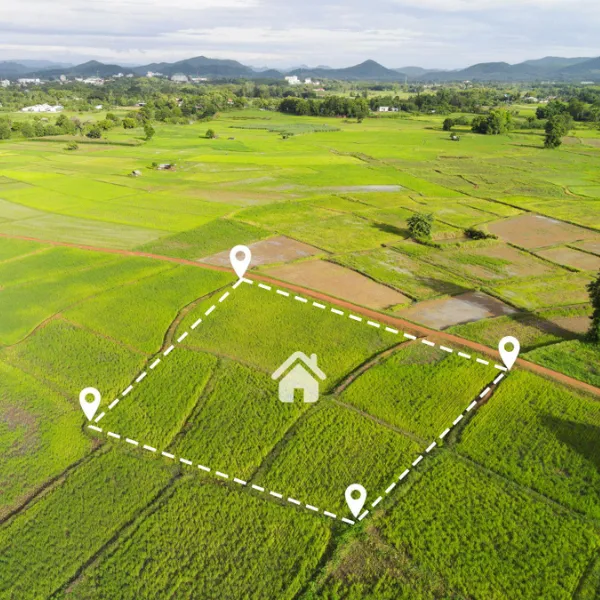
It is very recommended to perform land due diligence before determining whether it is safe to purchase a plot of land. The due diligence checklist on the land is normally extensive as the land laws are complicated and frequently overlap with other laws such as laws relating to the town plan, building control, national forest, etc. We summarized few recommendations for a purchaser to consider before purchasing land as follows:
Verify the Eligibility of the Purchaser to Own Land
A non-Thai person/entity is prohibited or restricted to own land under the law. If the land purchaser is a non-Thai person/entity, it is crucial to consider first thing whether it is eligible to own land or not. The foreign wholly/majority-owned company may be able to own land if approval is granted by a relevant authority, in particular the Board of Investment of Thailand and the Industrial Estate Authority of Thailand, depending on the company’s business activities and conditions prescribed by such authority. If there is no such approval being granted, to own the land, the company may need to restructure its shareholding to keep its foreign shareholding at 49% the maximum. As the purchaser would become a minority shareholder of the operating company, a shareholders agreement may be executed among the shareholders to ensure that the rights and benefits of the non-Thai shareholder will be protected. The purchaser is recommended to engage an experienced legal advisor to assist in this process.
Verify the Ownership Certificate / Actual Size
The seller must be able to present some type of ownership certificate, whether it is a land title deed (Form Nor Sor 4) or a certificate of utilization (Form Nor Sor 3). There are other types of ownership certificates, but the purchaser would have to consider its validity and related risks (with assistance from the local professional’s perspective) on a case-by-case basis. The purchaser may hire a land surveyor to verify whether the land size is following the size indicated in the ownership certificate. In many cases, the actual land is smaller than what is mentioned in the ownership certificate. For example, the neighbor’s fence encroaches into the land or the riverbank has been washed down by a water current. In addition, the purchaser may use a result of this finding to negotiate for a reduction of the land price.
Town Plan
The town plan restricts certain activities in a specific zone of the town. The restricted activities normally are factories and activities that may have an impact on the environment or health of people residing near the operating area, such as hospitals, large-scale shopping malls, animal farming, etc. Therefore, the purchaser should verify whether the to-be-purchased land is allowed under the town plan to perform an activity the purchaser would like to do. For safety reasons, lawmakers also limit the building’s height by a road’s width. For example, it is not permitted to construct a building with a height of 23 meters or more beside a small road (or ‘soi’ in Thai). Therefore, large-scale condominium developers would not prefer a plot of land on a small road. On the other hand, any person who enjoys a quiet environment may prefer to purchase a house beside a small road as it does not have a large-scale residential building due to the town plan restrictions.
Construction
If the land is accompanied by constructions, the purchaser should also check whether it has a proper construction permit or verifies the law that waives it from having such a permit. Apart from the construction permit, the law requires the building to have a utilization permit for specific types of building, for example, hotels, schools, convention centers, gas stations, condominiums, etc. It is also prudent to verify whether there is any construction that intrudes into the public areas to avoid any legal risks in the future. On the contrary, the purchaser should also verify whether there is any construction of the surrounding neighbors that intrude into the land. If there are such issues, the purchaser can request the seller to solve them before transferring the land to the purchaser (or adjust the price or provide indemnities if the issue is not resolved before the transfer).
Land Tax
In relation to the to-be-purchased land, the purchaser should also seek confirmation from the local administrative office whether there is any unpaid land tax outstanding to avoid any unaware liability after the closing is completed.
There are many precedent cases that the purchaser did not check crucial issues as mentioned above and cost them a significant amount of loss when they cannot utilize the land as planned.